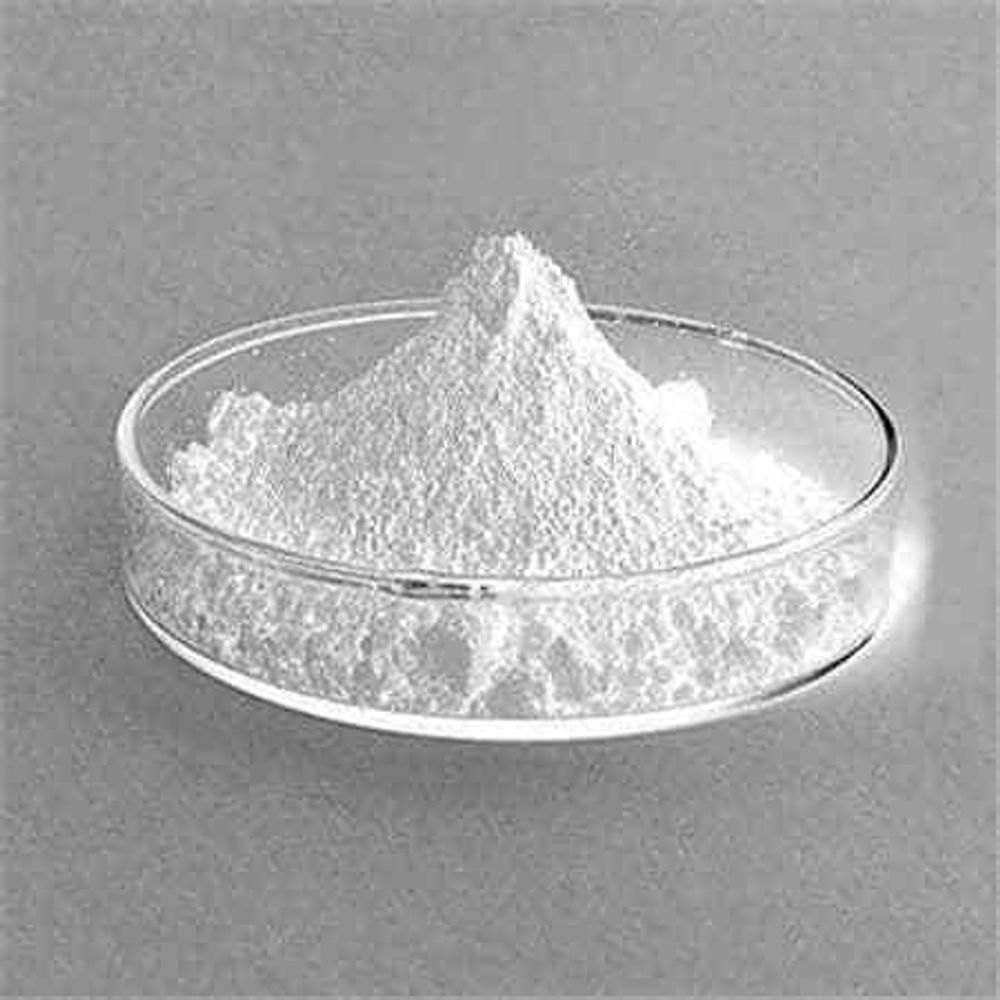
Manufacturer supplier and exporter of Potassium Sulphate BP IP USP ACS LR FOOD for pharmaceutical industry. If you require sample and COA please contact us.
POTASSIUM CHLORIDE IP BP USP FOODWe are a leading Potassium Chloride IP BP USP grade in Vadodara Gujarat India. If you are looking high quality POTASSIUM CHLORIDE IP BP USP FOOD Please contact us.
Amine synergists are essential additives in UV/EB-curable inks, coatings, and adhesives, primarily acting as hydrogen donors to accelerate curing speed and mitigate oxygen inhibition, which causes surface tackiness. They are extensively used to improve surface cure, increase adhesion on plastics, and reduce VOCs in industries like printing, automotive, and medical devices
SBS (Styrene-Butadiene-Styrene) plasticizers are additives, commonly naphthenic or paraffinic oils, used to reduce melt viscosity, improve flexibility, and enhance processing of the thermoplastic elastomer
Key Applications of BBP: Butyl Benzyl Phthalate
PVC Plasticizer: Commonly used in vinyl flooring, foams, and flooring materials (e.g., floor tiles, carpet backing).
Adhesives & Coatings: Frequently used in sealants, acrylic caulks, white glue, and various coating materials.
Consumer Goods: Historically used in some plastic and rubber products, such as artificial leather, traffic cones, and some food packaging.
Industrial Uses: Acts as a specialized solvent and intermediate in chemical manu...
Di-n-decyl phthalate Key Uses and Applications:
PVC Plasticizer: The primary use of DDP is to increase the flexibility of Polyvinyl Chloride (PVC) resins.
Coatings and Sealants: Utilized in industrial coatings, adhesives, and sealants to improve elasticity and performance.
Artificial Leather and Textiles: Employed in the production of synthetic leather for goods such as shoes and gloves.
Industrial Applications: Acts as a specialized additive in various polymer systems due to its low volati...
BASF make Tinuvin light stabilizer for paint and coating industry in India,
The purpose of TINUVIN performance additives for UV protection and durability is to safeguard coatings and increase their lifespan. Ultraviolet Light Absorbers (UVA) and Hindered-Amine Light Stabilizers (HALS) are the two categories of light stabilizers in our repertoire. There are various commercially available forms of UVA depending on the sort of light-absorbing unit. Spectral coverage is widest with benzotriazoles....
• Polymer Manufacturing: Acting as a molecular weight regulator, TDM is essential for producing SB latex, SB rubber, and ABS resins, enhancing the flexibility and processability of the final products.
• Lubricants and Additives: It serves as a lubricant additive to improve performance in base oils and metalworking fluids.
• Chemical Synthesis: Used as a chemical intermediate in the production of specialized products, including fungicides, rust inhibitors, insecticides, and surfactants.
• Ind...
Sodium Trimetaphosphate (STMP) is a crucial additive in gypsum board manufacturing, acting as a set retarder and strength enhancer. It modifies gypsum crystal growth to increase core strength, improve bonding between the paper and core, and enhance structural durability while optimizing manufacturing efficiency
Styrene monomer Uses
Polystyrene (PS) & Expandable Polystyrene (EPS): Extensively used to create rigid packaging, disposable cups, food containers, and lightweight insulation foam for construction.
Acrylonitrile Butadiene Styrene (ABS): A durable thermoplastic used in consumer goods, toys (e.g., LEGO bricks), automotive parts, and refrigerator liners.
Styrene-Butadiene Rubber (SBR): A key component in producing vehicle tires, shoe soles, hoses, and conveyor belts.
Unsaturated Polyester Resi...
N-Butanol
Chemical Intermediate: Primarily used to produce other chemicals, including:
Butyl Acrylates/Methacrylates: Used in water-based paints and adhesives.
n-Butyl Acetate: A common lacquer solvent.
Glycol Ethers: Used in coatings and cleaners.
Plasticizers: Such as dibutyl phthalate (DBP) for PVC.
Solvent Application: Known as a latent solvent, it is essential in:
Paints and Coatings: Varnishes, lacquers, and enamel formulations.
Resins and Polymers: Production of amino and urea-fo...
Ethylenediamine (EDA) is a highly reactive, colorless liquid used extensively as a building block in chemical synthesis, primarily for producing EDTA (chelating agents), polyamide resins, and polyurethane lubricants. It is widely used in industrial applications such as epoxy curing agents, electroplating baths, fabric softeners, corrosion inhibitors, and fuel additives.
Key Uses of Benzoic Acid:
Food Preservation (E210): Used to preserve jams, jellies, pickles, soft drinks, and fruit juices by inhibiting yeast, mold, and bacteria growth.
Pharmaceutical/Antifungal: Acts as an antifungal and antibacterial agent, frequently used in ointments like Whitfield's ointment to treat skin infections such as athlete's foot and ringworm.
Cosmetics & Personal Care: Serves as a preservative in products like lotions, mouthwash, lip gloss, and toothpaste.
Industrial Applic...
As a food-grade agent, Calcium Chloride Dihydrate is widely incorporated in food processing industries, including cheese production, brewing, and as a firming agent in canned vegetables. Its high solubility ensures it easily integrates into various solutions and mixtures, optimizing processes in both industrial and food sectors.
Key Uses of Calcium Chloride:
De-icing and Road Safety: Extremely effective at melting ice and snow at lower temperatures than rock salt, it is widely used for road, walkway, and parking lot de-icing.
Dust Control: Due to its hygroscopic nature (absorbing moisture from the air), it is applied to gravel roads, construction sites, and mining areas to suppress dust and keep surfaces damp.
Desiccant/Moisture Control: Used in industrial, commercial, and household dehumidifiers to absorb moisture...