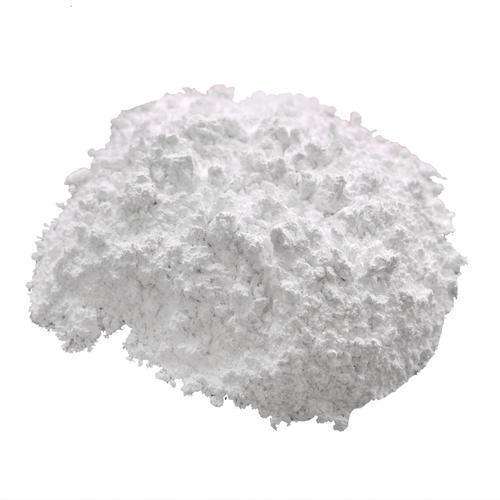
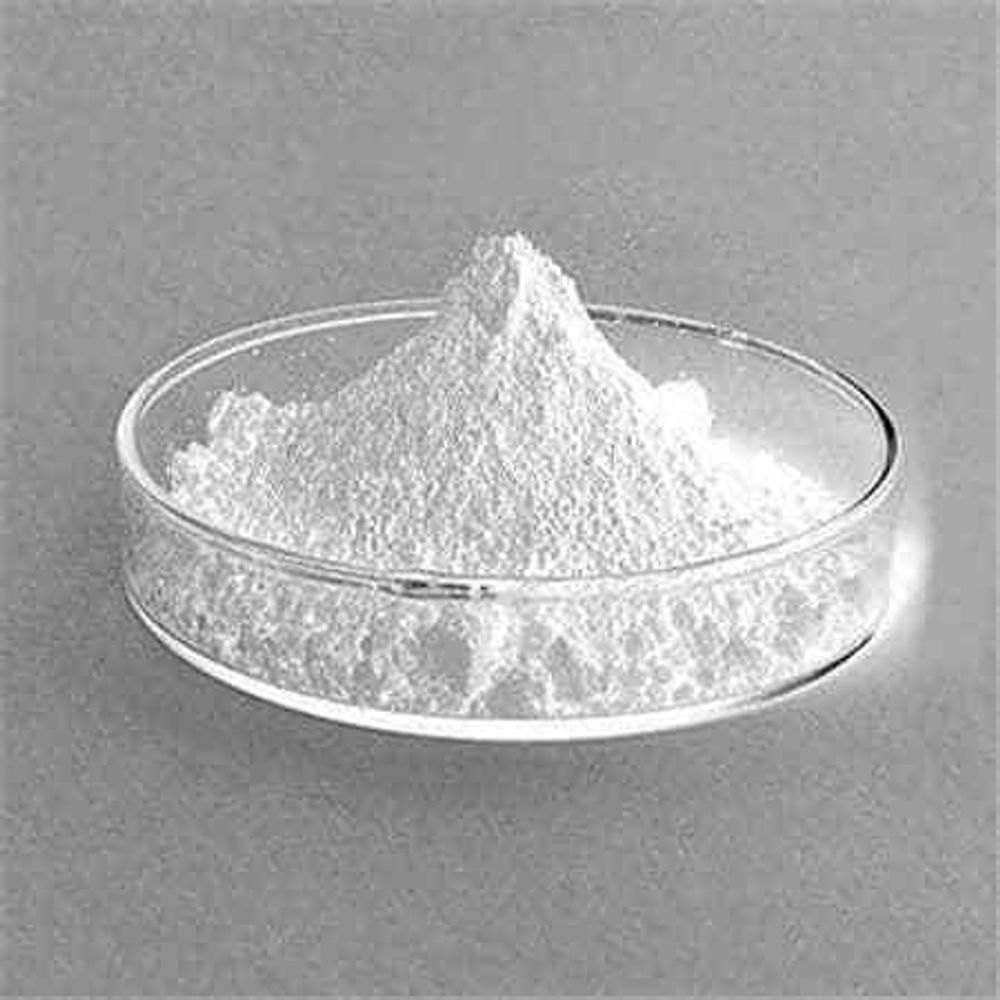
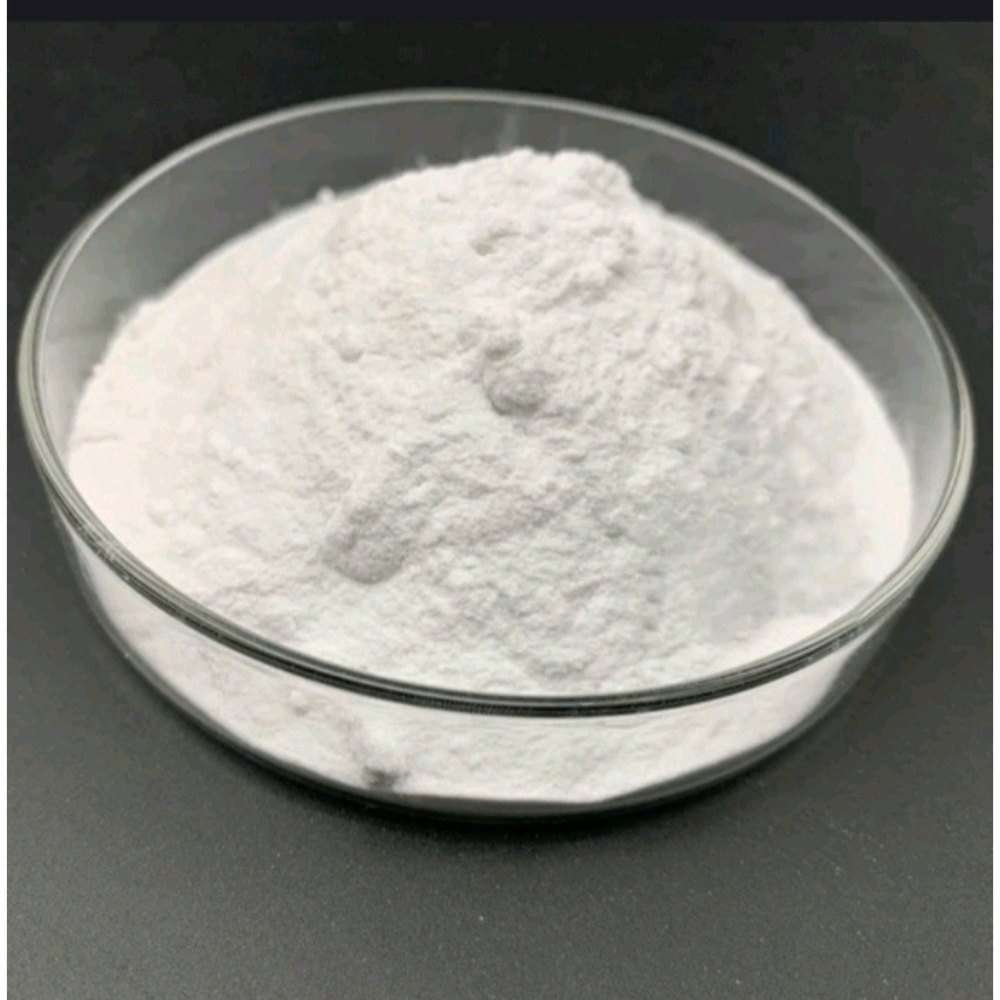
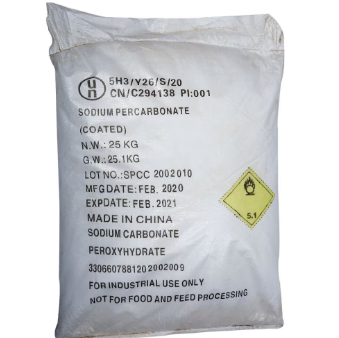
Trifluoroacetic acid (TFA) is a strong organic acid primarily used in chemistry as a solvent, catalyst, and reagent
Hexamethylenediamine (HMDA) is a crucial industrial chemical used primarily as a monomer for producing Nylon 6,6, which accounts for nearly 90% of its consumption. It is also essential for manufacturing polyurethanes (via HDI), epoxy curing agents, polyamide resins, and corrosion inhibitors for oil/water treatment
Methyl methacrylate (MMA) is a versatile monomer primarily used to produce polymethyl methacrylate (PMMA) acrylic plastics, sheets, and resins (~75% of use). Its key applications include transparent, durable acrylic glass, automotive coatings, adhesives, dental prostheses, orthopedic bone cement, and industrial flooring. MMA is valued for its high transparency, UV stability
Polyamide resins are versatile, durable polymers used extensively for their superior adhesion, chemical resistance, and toughness. Key applications include epoxy coatings (marine, automotive, flooring), high-performance adhesives (hot melt, structural), printing inks for packaging, and molded components in automotive/electronics
Calcium Phosphoryl Choline Chloride (CPCC) is a high-purity, white powder primarily used as a key pharmaceutical intermediate for synthesizing Citicoline (CDP-choline).Key Uses and Applications:
Pharmaceutical Intermediate: Primarily used in the production of Citicoline (CDP-choline).
Dietary Supplements: Acts as a source of calcium and phosphoryl choline to support cognitive function and bone health.
Biochemical Research: Employed in studies involving membrane interaction, phospholipid syst...
Octyl Phenol EthoxylateEmulsifier in cleaning agents, detergents, and personal care products
Wetting agent in agricultural chemicals, paints, and coatings
Dispersant in pigments, inks, and adhesives
Foam stabilizer in firefighting foams
Nonyl Phenol Ethoxylate (NPE) 4.5-30 mole
Emulsifier in cleaning agents, detergents, and personal care products
Wetting agent in agricultural chemicals, paints, and coatings
Dispersant in pigments, inks, and adhesives
Foam stabilizer in firefighting foams
Cocamidopropyl Betaine (CAPB) is a widely used, biodegradable, amphoteric surfactant derived from coconut oil and dimethylaminopropylamine. It is commonly used as a milder, natural alternative to harsh sulfates like sodium lauryl sulfate (SLS) in personal care, cosmetic, and cleaning products
Lauryl glucoside is a mild, plant-derived, non-ionic surfactant used in personal care products like shampoos, body washes, cleansers, and wet wipes to remove oil and dirt without causing irritation
Decyl glucoside is a mild, plant-derived, biodegradable, non-ionic surfactant commonly used as a cleansing agent, foaming agent, and emulsifier in personal care, baby products, and natural household cleaners. It is highly valued for its ability to remove dirt and oils while being gentle on sensitive skin, hair, and surfaces.
Coco glucoside is a mild, plant-derived, biodegradable non-ionic surfactant primarily used as a foaming agent, cleanser, and emulsifier in personal care products. It is favored for its ability to clean gently without stripping natural oils, making it ideal for sensitive skin, baby products, shampoos, and cleansers.
Alkyl polyglycol ethers are versatile nonionic surfactants and solvents used primarily for their excellent wetting, emulsifying, and dispersing properties in industrial, agricultural, and consumer products. Common applications include detergents, cleaning agents, textile processing, paints, and personal care products like shampoos. They are also utilized as antifoams, viscosity reducers, and in concrete admixtures
Butylated hydroxyanisole (BHA) is a synthetic, waxy, solid petrochemical. Its antioxidant properties have caused it to be widely used as a preservative in food, food packaging, animal feed, cosmetics, pharmaceuticals, rubber, and petroleum products
Butylated Hydroxytoluene (BHT) is a synthetic, fat-soluble antioxidant commonly used as a preservative to prevent oxidation, extending the shelf life of food, cosmetics, pharmaceuticals, and industrial products like rubber and fuel