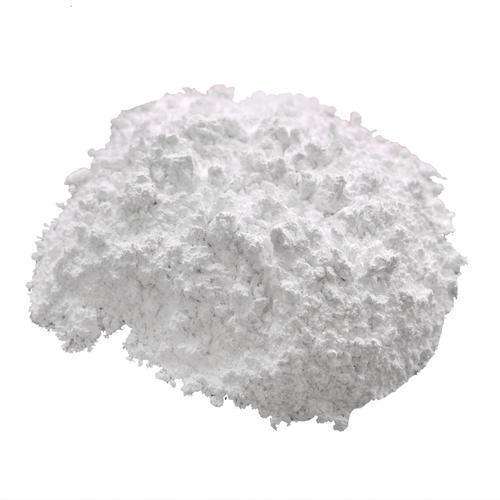
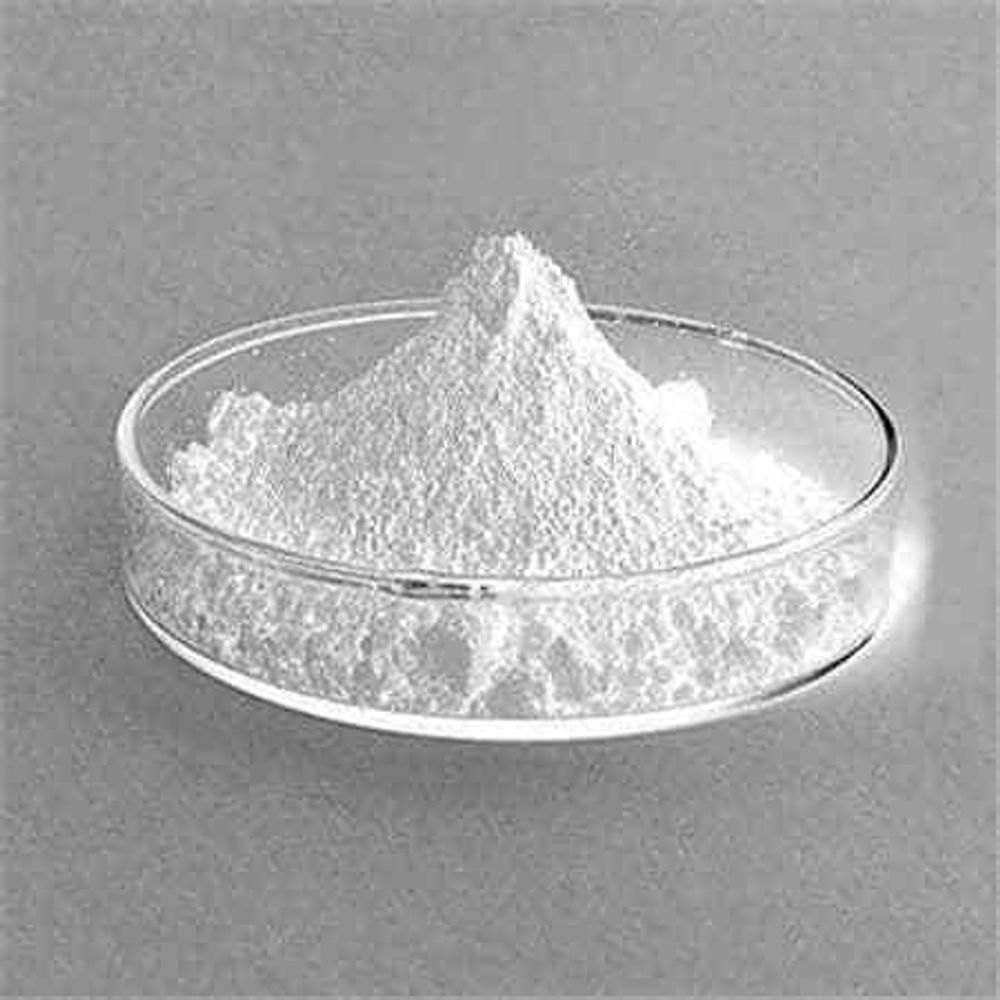
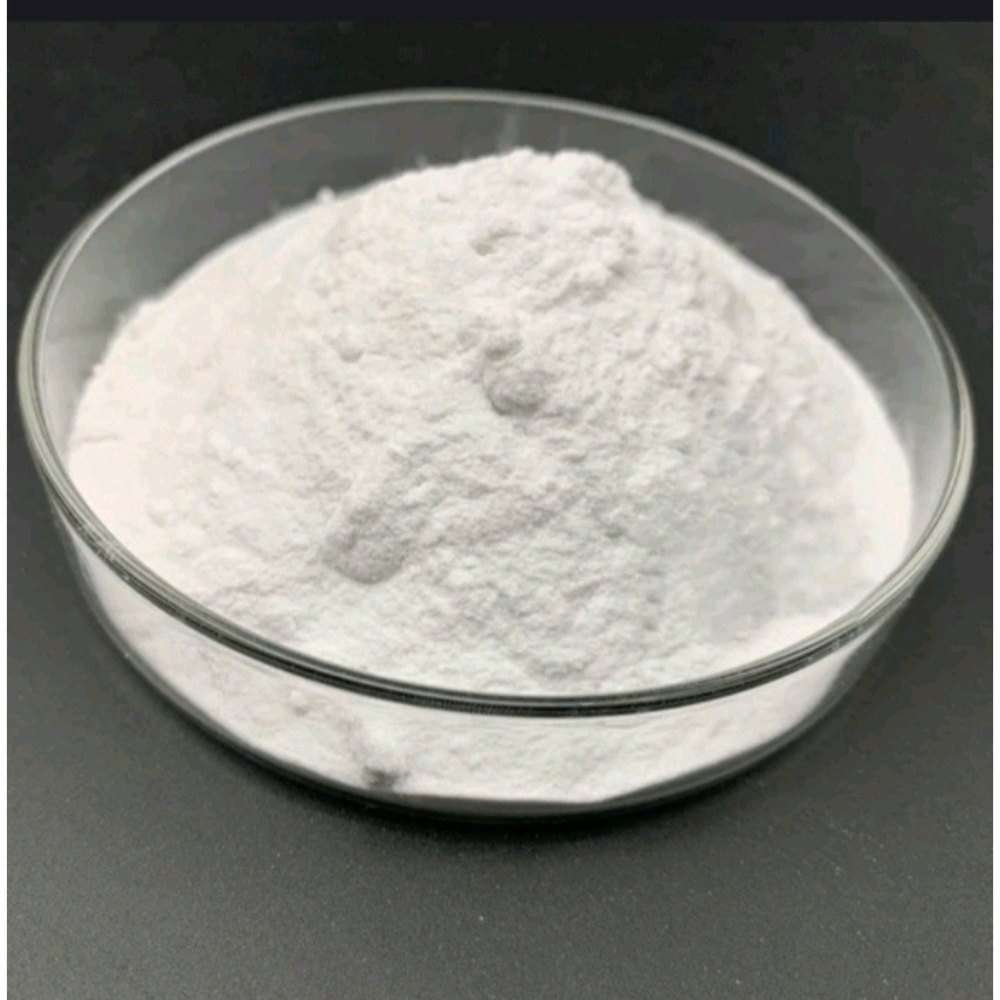
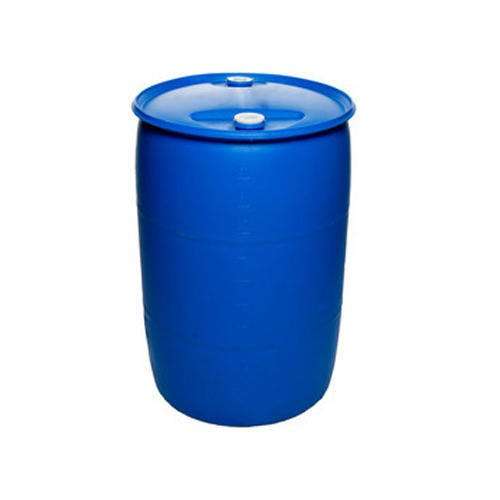
2-Hydroxyethyl Methacrylate (HEMA) is a versatile monomer used in making polymers for coatings, adhesives, inks, and especially biomedical products like soft contact lenses and dental materials
1,6-Hexanediol Diacrylate (HDDA) is a versatile bifunctional monomer used as a crosslinking agent and reactive diluent, primarily in UV/EB curable systems like coatings, inks, and adhesives, adding hardness, adhesion, and water resistance, but also found in plastics, textiles, and photopolymers for improved mechanical and chemical properties.
N-Butyl Methacrylate (n-BMA) is a key monomer for making polymers, used in paints, coatings (automotive, architectural), adhesives, sealants, inks, and textiles
Hydroxyethyl cellulose (HEC) is a versatile, water-soluble polymer used as a thickener, binder, stabilizer, and film-former in industries like construction (paints, mortars), personal care (shampoos, lotions), pharmaceuticals (eye drops, gels), and food, providing properties like water retention, lubrication, and improved product consistency.
⭐ BASF MasterEmaco SBR 2 – High-Performance Polymer for Construction
Looking for a strong bonding & waterproofing solution for your civil projects?
MasterEmaco SBR 2 is a premium Styrene Butadiene Rubber (SBR) Latex used in:
✅ Bonding Agent for Plaster & Concrete
✅ Repair Mortars & Patchwork
✅ Waterproofing Slurry for Bathrooms / Terraces
✅ Cement Modification for Improved Strength
✅ Floor Screeds & Tile Adhesives
✅ Crack Repair Applications
Benefits:
✔️ Excellent adhesion
✔️ Improves tensil...
ETHYL CELLULOSE N 7/N10/N20/N50/N100 EC is a hydrophobic cellulose derivative that is very strong, but also very brittle [7]. Its hydrophobic properties can be used to prolong drug release when used in combination with other polymers.
L-HPC (Low-Substituted Hydroxypropyl Cellulose) is a commonly used super-disintegrant in solid oral dosage forms. It promotes rapid tablet breakup, which in turn enhances dissolution and improves the bioavailability of the active pharmaceutical ingredients (APIs).
HPMC K4M, K15M, and K100M are different viscosity grades of Hydroxypropyl Methylcellulose (HPMC) primarily used in pharmaceuticals, construction, food, and cosmetics as binders, thickeners, film-formers, and controlled-release agents.
Microcrystalline Cellulose (MCC) PH 102 is a widely used pharmaceutical excipient, primarily functioning as a binder, diluent, and disintegrant in tablets and capsules
Polyethylene Glycol 4000 PEG
Cosmetics: In the cosmetic industry, PEG 4000 finds application as an ingredient in skincare products, hair care products, and toiletries. It acts as a moisturizer, emulsifier, and thickening agent.
Industrial Applications: PEG 4000 is employed in various industrial processes, including the manufacture of adhesives, lubricants, and coatings. It is also used in chemical synthesis and as a component in polymer formulations.
Personal Care Products: It is utilize...
Hydroxypropyl methylcellulose (HPMC) is a versatile compound with a wide range of applications. It's primarily known for its use as a lubricating agent in eye drops to relieve dryness and discomfort. Beyond ophthalmology, HPMC is used as a thickening agent, binder, and controlled-release agent in various industries including food, pharmaceuticals, and construction.
Hydroxyethyl cellulose (HEC) is a versatile polymer with a wide range of applications due to its thickening, binding, stabilizing, and film-forming properties. It's used in various industries, including personal care, pharmaceuticals, construction, and oil and gas.
Sodium Carboxymethyl Cellulose (CMC) has a wide range of applications due to its properties as a thickener, emulsifier, stabilizer, and water-retaining agent. It is commonly used in food, pharmaceuticals, cosmetics, and various industrial products.
Acetic acid is used in the manufacture of acetic anhydride, cellulose acetate, vinyl acetate monomer, acetic esters, chloracetic acid, plastics, dyes, insecticides, photographic chemicals, and rubber.
Redispersible polymer powder (RDP) is a crucial additive in construction, particularly in dry-mix mortars, enhancing properties like adhesion, flexibility, and water resistance. It's used in various applications, including tile adhesives, joint fillers, and repair mortars, improving workability, durability, and overall performance.
Tile adhesives:
RDP improves adhesion, flexibility, and reduces water absorption, preventing cracking and ensuring a strong bond between tiles and substrate....